
This op-ed by Jordan Haedtler appeared on Colorado Newsline on February 20, 2025.
The federal government may not be available to help Los Angeles recover from its catastrophic wildfires. President Donald Trump responded to the fires by spreading falsehoods and initiating plans to potentially eliminate FEMA, saying, “I’d rather see the states take care of their own problems.”
In addition to the devastating toll that the wildfires have taken on California communities, they are also raising grave questions about whether Californians will have access to affordable housing and insurance going forward. Under President Joe Biden, financial regulators sounded alarms about insurance market disruptions, which could trigger a 2008-like financial crash.
Now, the prospect of the federal government remaining a reliable partner in resolving this crisis seems remote. And what’s happening in California today could happen in Colorado tomorrow.
When climate disasters hit, no state should be abandoned by the federal government. But states must be prepared to insulate themselves from a federal government that is hostile to climate action. Thankfully, states do have tools to protect their residents from this reality.
State leaders in Colorado can invest in climate resilience and help constituents deal with growing costs from climate change. This is especially true when it comes to the soaring costs of insurance, which federal law establishes as primarily a responsibility of state lawmakers. To be effective, states must take a comprehensive approach to investing in both climate resilience and healthier insurance markets. They can do this by funding ecological forest management practices, improving floodplain management, and integrating climate risk into state insurance regulation.
Insurance companies should want states to make these investments, which reduce risks from climate disasters. Until these investments are incorporated into insurance regulation, however, residents will continue to struggle with an insurance market that is becoming less affordable and less accessible.
California’s government has invested more than $3.7 billion in wildfire mitigation since 2017. But last year, state lawmakers made a costly mistake. California’s insurance commissioner made a regulatory change to require insurers to incorporate the state’s climate resilient investments into insurance pricing, but that same requirement was not extended to underwriting. A bill to factor climate resilient spending into underwriting started to move through the state senate, then stalled. Now, the Los Angeles wildfires have triggered a $1 billion assessment from the state FAIR Plan, and concerns that Californians will be unable to afford insurance are outweighed by concerns that insurance policies may not be available to Californians at all.
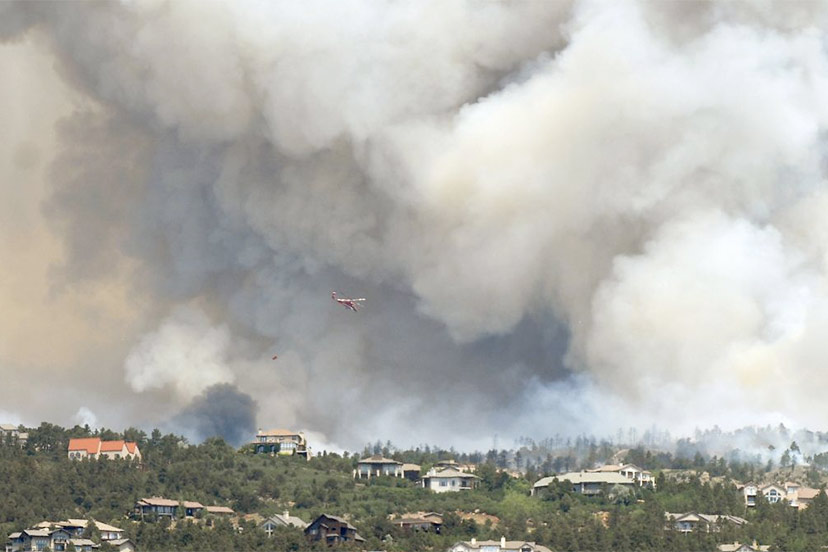
As in California, state and local governments in Colorado have deployed substantial resources toward reducing wildfire risk. Boulder County alone has put nearly $9 million annually toward wildfire mitigation. Still, Coloradans are paying almost $2,000 annually above the national average for insurance premiums. Ensuring that Colorado residents finally see the benefits from government investments in risk reduction will require the state to take the lead in integrating wildfire resilience with insurance regulation, as news reports last fall indicated it would.
Policies surrounding land use, infrastructure, development, disaster relief, and regulation cannot be isolated from one another. Governor Jared Polis recognized this when he opened Colorado’s legislative session by embracing a package that will support both community hazard mitigation and individual home fortification, make grants to communities to improve wildfire resilience, and harmonize those investments with insurance regulation. It is fitting that Polis touted these reforms in a speech that had working around federal “disorder” as its theme.
As reported, this package would strengthen Colorado’s resilience against wildfires, while also addressing affordability. Colorado would move ahead of California by factoring wildfire resilience into insurance underwriting. These proposed reforms show how states can act on their own to enhance climate resilience, even when the federal government won’t cooperate.
And there has never been a more important time for states to act.
Though the Biden administration invested billions in building climate resilient infrastructure, congressional dysfunction failed to deliver long-overdue fixes to the federal disaster system. Shutdown threats and an underfunded FEMA disaster relief fund caused uncertainty for communities trying to rebuild from the Maui wildfires, severe flooding in the northeast, and from hurricanes Helene and Milton. Governors from Hawaii to Massachusetts have acted to bolster their states’ ability to build climate resilience and respond to disasters independent of federal assistance.
Trump has signaled his clear intention to ignore the ways that climate change is endangering financial stability. Already, federal financial regulators have reversed actions taken during Biden’s term. States must be creative in figuring out how to get around this federal obstruction. It will fall to state governments to rebuild state capacity toward providing disaster relief and infrastructure improvements. States must properly fund relevant agencies, including under-resourced state insurance offices, and empower regulators to promote solvency, so that insurers don’t become bankrupt when catastrophes hit.
In order to protect their residents, states must proactively adopt their own legislation. Colorado should seize this opportunity to lead the country in doing so.
Jordan Haedtler is a climate financial policy strategist with Climate Cabinet based in Duluth, Minnesota.
The Pagosa Daily Post welcomes submissions, photos, letters and videos from people who love, and care about, Pagosa Springs, Colorado. More information available at 970-903-2673 or pagosadailypost@gmail.com