
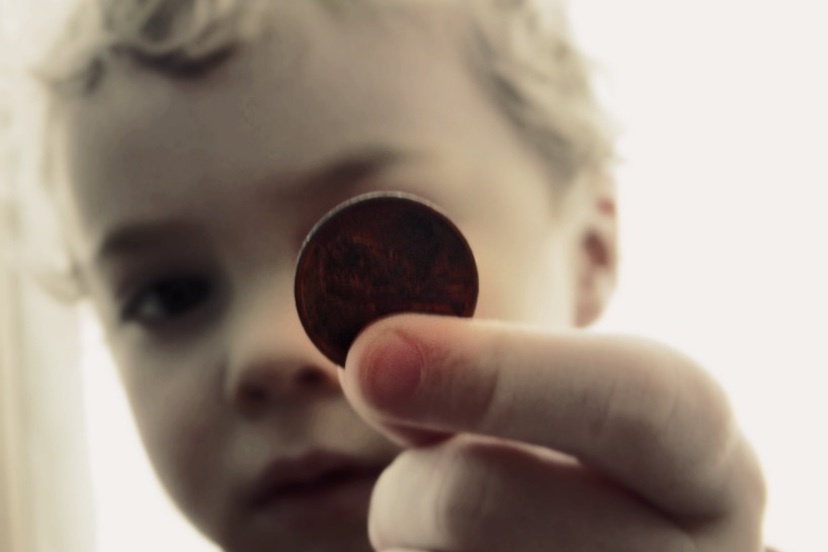
A penny spared is twice got.
— ‘Jacula Prudentum: Outlandish Proverbs, Sentences, Etc.’ Collected by George Herbert, published circa 1633.
We Americans need things. And often, we can’t afford them. Especially lately.
When I was a kid, my parents regularly complained about not having enough money, and those complaints were related to the fact that I regularly wore hand-me-down jeans from my older cousins.
I was one of the smallest kids in my class. My cousins, meanwhile, were some of the tallest in their classes. So I was forced to wear jeans with big cuff. I mean, big.
I’m not the kind of person who is easily embarrassed. But I was embarrassed by my huge cuffs.
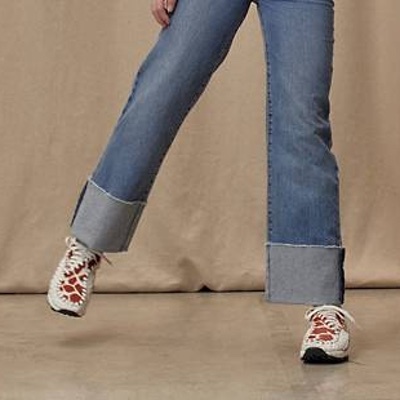
For one thing, the cuffs were constantly getting filled with dirt and sand. Sometimes even, with small insects.
But the worst part: everyone could tell at a glance that my parents didn’t have enough money to buy me the right size jeans. (I was also expected to “grow into” my shoes, but that was less obvious.) It’s one thing to be poor… another thing entirely to be obvious about it.
One day, long after I’d gotten married and had some kids, my dad mentioned that he and my mom had never had a savings account until after I graduated from college. Something I had never realized. They’d been living on credit the whole time. Sort of like, wearing “financial cuffs.”
A well-worn proverb tells us that a penny saved is a penny earned. Or, alternately, in the version collected by George Herbert, “A penny spared is twice got.” Which doesn’t mean exactly the same thing, but it’s close enough.
We no longer mint pennies here in the U.S., so in a few years, young people will have no idea what this proverb means. With that in mind, we will make use of it in today’s column. before it’s too late.
George Herbert lived in London where, in 1633, a penny could buy about 5 pints of beer. So the sparing of pennies probably wasn’t all that common. But Mr. Herbert meant well.
Nor are we modern Americans good at saving, in 2026. We need things. And we have a hard time waiting.
The financial industry wants us to buy these things, even if we can’t afford them. Thus, the growth of the “Buy Now Pay Later” industry.
BNPL.
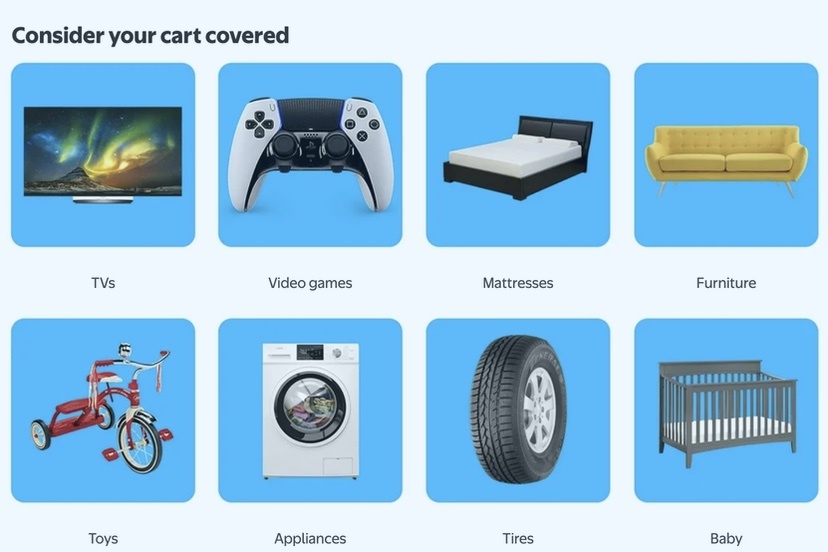
I found the image above on a website run by the world’s largest retailer. It illustrates many of the things I personally need… but can’t really afford right now. I could probably afford them in the future, if I took the “penny saved” approach. But that approach dates back to the year 1633, or perhaps even earlier. This is 2026.
In particular, I need tires. Tricycles and baby cribs, not so much. But definitely, tires.
When I shopped for tires at PriorityTire.com yesterday, my bill for four new all-weather tires came to $471.96. I had the option to pay with a credit card, assuming anyone would actually consider issuing me a credit card, given my credit history. Ditto a debit card. Ditto PayPal and Venmo. Not going to happen.
But Priority Tire also invited me to pay through a company called Affirm.
Four easy payments. No fees.
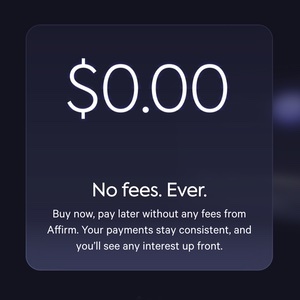
If we don’t think too hard about this invitation — which, as we note, mentions “without any fees from Affirm” but also mentions that I would “see any interest up front”? — if we don’t think too hard, we will not consider the fact that Priority Tire is the party paying the fees to Affirm, because Affirm is taking a risk by letting me BNPL. A fee of about 6%, apparently. Which means that Priority Tire has probably jacked up the price of my tires by 6% to cover the Affirm fees.
But I need tires. A man can’t live without tires.
The tricycle is optional. The baby crib is optional. Even the TV and the video game console is optional.
If you consider how long it would take me to save up $471.96 — saving one penny at a time — you can understand my predicament. And plus, as mentioned, they don’t even make pennies any more.
They’ve got me by the cojones.
Underrated writer Louis Cannon grew up in the vast American West, although his ex-wife, given the slightest opportunity, will deny that he ever grew up at all. You can read more stories on his Substack account.