
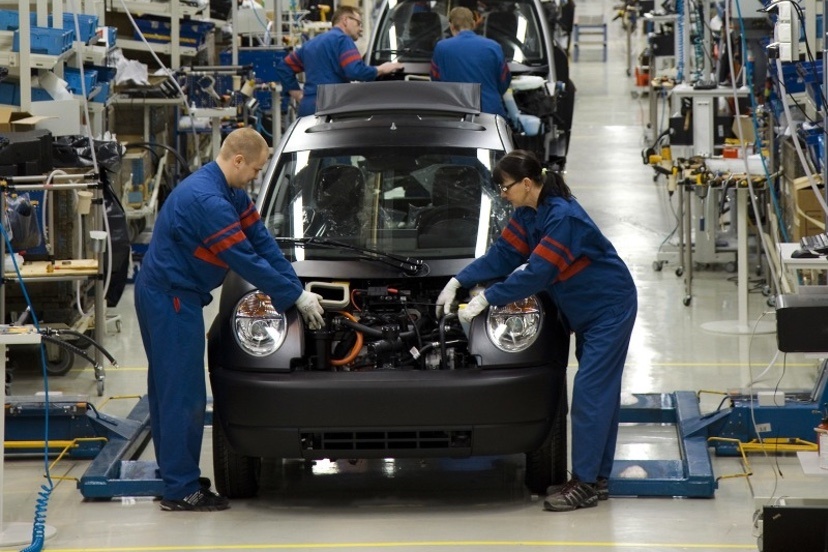
Headquartered in the Netherlands, Nexperia is a global semiconductor company with a rich European history and over 12,500 employees across Europe, Asia, and the United States…
— from the Nexperia website, November 1, 2025
More and more people, these days, are interested in chips and wafers.
Probably a greater number are interested in chips. But since chips are made from wafers, we need to worry about both.
Of course we’re not talking here about the kind of chips we eat, nor the kind of wafers we eat. We’re talking the inedible, electronic kind.
In electronics, a ‘wafer’ is a thin slice of a semiconductor such as crystalline silicon, used to fabricate integrated circuits, better known these days as ‘chips’… the little electronic circuits in our phones and in our cars and in our washing machines and… well, in practically everything, seems like.
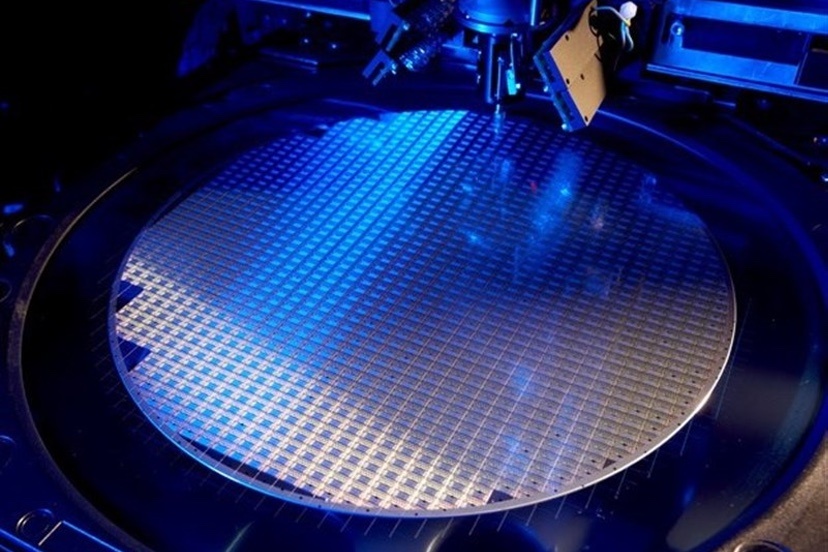
It used to be said that “money” made the world go round. But these days, chips make the world go round.
All of which gives meaning to the following headline in a Business Times article by Ethan Zhao, dated October 31.
Nexperia Halts Wafer Shipments to China as Dutch Seizure Deepens Global Chip Supply Crisis
The story begins:
Dutch semiconductor maker Nexperia has suspended wafer shipments to its assembly facility in Dongguan, China, escalating a months-long standoff that has rippled through the global automotive and electronics supply chain. The suspension follows the Dutch government’s seizure of the company from Chinese owner Wingtech Technology…
The first thing we need to clear up: if you look up “Business Times” in your favorite search engine, you might think we’re talking about a magazine published in Grand Junction, Colorado. But we’re talking here about the “Business Times” magazine published in China, where a sizable percentage of the world-controlling chips are being manufactured. From wafers.
Everyone needs chips these days, and the Nexperia company has been making basic inexpensive chips in large volumes — over 110 billion units a year — that go into products like cars and consumer electronics. Not especially fancy chips; more like your everyday, run-of-the-mill chips. The type of chips that turn off your headlights for you, when you get out of your car, for example, or warn you when the phone call is “probably spam”.
The little things that keep the world turning.
This Nexperia story has been covered by other media outlets — CNN, The New York Times, BBC, Dutch News, Tom’sHardware.com, and now, the Pagosa Daily Post — but different outlets tell the story differently. Some say the Dutch government took over control of the company from its Chinese owners, citing risks associated with “crucial technological knowledge”… but without providing details about what, exactly, those risks might be.
Most of the chips made by Nexperia sell for less than $1. So maybe worries about “crucial technology knowledge” are overblown?
Other news outlets cited economic pressure from the U.S. government, which is now attempting to discourage European nations from trading with Chinese companies. That sounds like a more likely scenario. The pressure has come in the form of an expanded “entity list” of restricted companies. The US Commerce Department significantly expanded this “entity list” by making any subsidiary at least 50% owned by a firm “already on the list” face the same restrictions as the parent company.
The new rules implicated Nexperia as a 100% owned subsidiary of Wingtech, which has been on the list since late last year.
Apparently, the compliant Dutch government fired all the Chinese board members and the Chinese CEO.
We have an ongoing problem, these days, of governments thinking they know how the world works, and making life difficult for those of us who actually keep it working.
At any rate, it’s a mess. Nexperia was shipping wafers to its subsidiary in Dongguan, and the Chinese subsidiary was then making chips for the Asian and European markets, including car manufacturers like VW and Honda. After the Netherlands government took over control of the Dutch operation — without asking permission, we might add — the Chinese Ministry of Commerce issued an export control notice prohibiting the company’s Chinese subsidiary and its subcontractors from exporting certain finished components and sub-assemblies that are being manufactured in China.
Retaliation? Very possibly.
This made the automakers in Japan and Europe pee their pants, figuratively speaking.
To put it simply, nobody is happy.
Except maybe the U.S. government, which is only happy when everyone else is unhappy.
Underrated writer Louis Cannon grew up in the vast American West, although his ex-wife, given the slightest opportunity, will deny that he ever grew up at all. You can read more stories on his Substack account.