
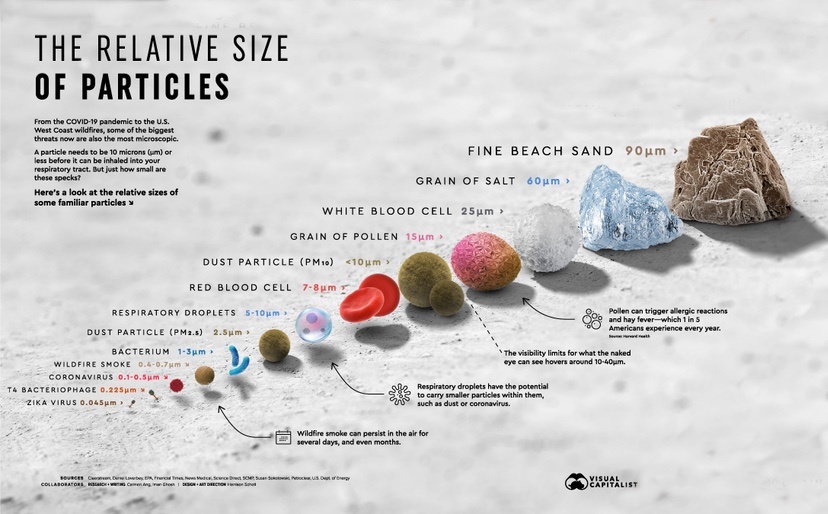
Image: Relative sizes of various familiar particles, by Harrison Schell, detail. Graphic courtesy Visual Capitalist.
Some people, these days, seem very concerned about little things.
Like, for example, microplastics.
Not to be confused with “big plastics”, or “medium-size plastics”, both of which are also concerning, but in a slightly different way.

The subject at hand: the little things in life that matter.
And microplastics are little, by definition. Less than five millimeters long… or about the size of the little cyanide capsules secret agents carry, in case they need to commit suicide on a moment’s notice.
Some microplastics are visible to the naked eye, but others are so tiny that you can’t even see them — smaller than a red blood cell. And they are everywhere these days. In the soil, in the water, in our bodies, in the bodies of pretty much every animal species. So at least we’re all in the same boat. (A plastic boat.)
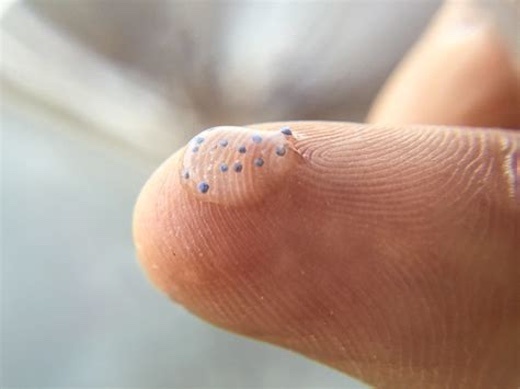
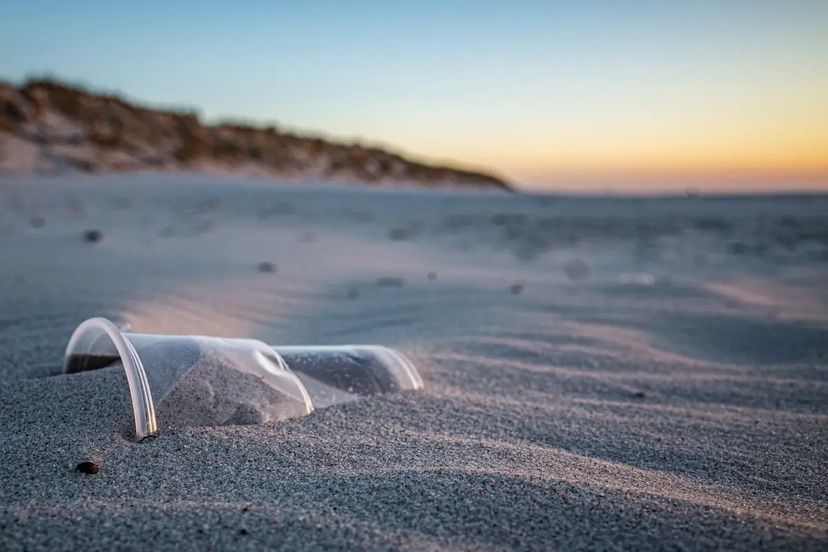
Here’s a photo showing some microplastics big enough to see.
But there are things, even smaller than microplastics, that also matter.
For example, particles of wood smoke. They are likewise smaller than a red blood cell, and able to hang around in the air for months, without anyone really noticing, until you wind up in a hospital bed on oxygen.
Here, below, we are zooming in on Harrison Schell’s graphic of little things, and you can compare the wood smoke to the red blood cells:
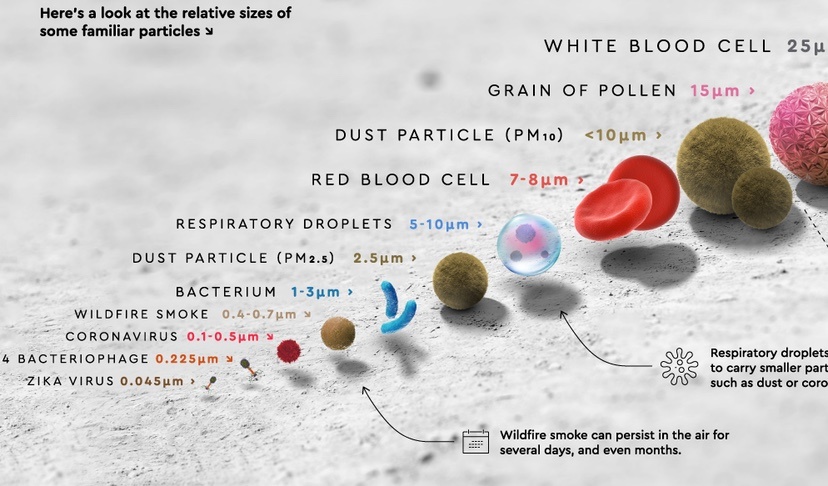
Then we have the coronavirus, at about half the size of a typical wood smoke particle, .
We all got a lengthy lesson in viruses during the COVID crisis. Microplastics might be as small as a red blood cell, but a coronavirus is one-tenth the size of a red blood cell.
But there are viruses — like the Zika virus — that are one-tenth the size of a coronavirus.
If little things matter, does this imply that a Zika virus matters more than a coronavirus… and that a coronavirus matter more than a particle of wood smoke… which matters more than a red blood cell?
Those questions cannot be answered scientifically, because in many cases, the little things that matter — microplastics, red blood cells, wood smoke particles, viruses — matter only when you have a lot of them… all at the same time… in the same place.
Sometimes, you need billions of little things, to make any kind of difference.
Or even trillions.
Reportedly, the average human has about 25 trillion red blood cells, transporting oxygen to every corner of the body. Like the Zika virus, oxygen is smaller than a red blood cell, but it needs help with transportation. In fact, oxygen is so little, no one has actually seen it. But it matters, especially when I go jogging in the morning. (I don’t go jogging when there’s wood smoke in the air, just so you know.)
Providing oxygen to the body is no small thing, but it gets handled by small things. Trillions of small things.
Of all the little things that matter, we might also consider a grain of sand, which was the largest little thing that Mr. Schell included in his graphic.
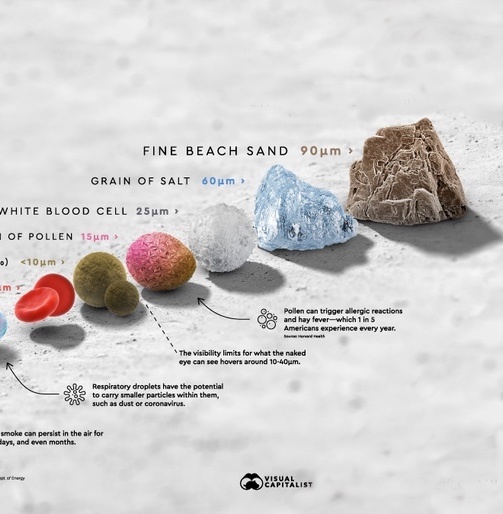
One grain of fine beach sand is hardly noticeable, unless it gets in your eye.
But if you gather trillions of grains of fine beach sand all in the same place at the same time, you create something that matters.
Tourism.
And that brings us right back to microplastics.
Underrated writer Louis Cannon grew up in the vast American West, although his ex-wife, given the slightest opportunity, will deny that he ever grew up at all. You can read more stories on his Substack account.