
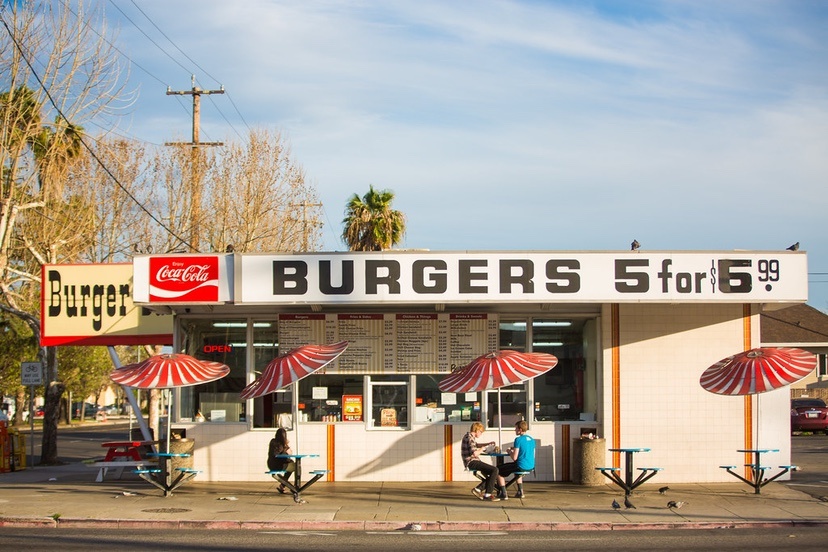
The average age of farmers and ranchers in the U.S. is 58. Aging beef producers look at high interest rates, the resulting higher costs to grow their herds, and the droughts, and balance those factors against the high prices they can get for liquidating their herds now… it is increasingly likely there will be fewer and fewer cows, and fewer ranchers to raise them…
— from ‘The End of the Cheap Burger’ from Bloomberg Business, September 2024.
We love our burgers, and we like them cheap.
But they might not be cheap for much longer. In fact, they’ve already become more expensive, even before the tariffs have fully kicked in.
Can you even put tariffs on a hamburger? I have no idea.
From Bloomberg Business:
Ever since the McDonald brothers first launched their vision of fast burgers at 15 cents a pop in 1948, inexpensive beef has become an American touchstone, practically a birthright along with voting and the high school prom.
These days, that’s an entitlement drifting out of reach for many Americans. In the second quarter of 2024, the average price of a fast-food restaurant burger was $8.41, up 16% from 2019, according to food consultant Technomic’s Ignite Menu data. Even at McDonald’s, the average price of a Big Mac (no fries, no drink, just the sandwich) in June was $5.29, a 21% increase from 2019. Burgers have gotten expensive enough that low-income consumers have been coming in less frequently, driving the chain’s first sales drop since 2020…
Is anyone going to do something about this?
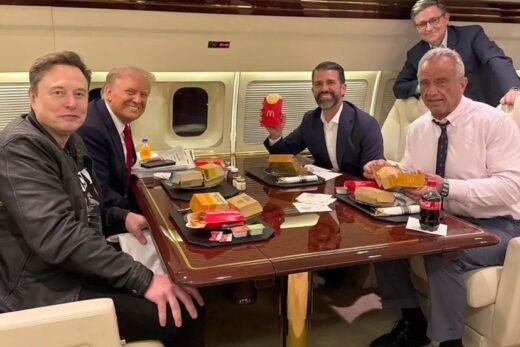
Because I know there are some important people out there who care about fast food.
Apparently, one of the problems is a shortage of cows. The size of the nation’s herd has been shrinking. From a January 2025 article on AGDaily.com titled ‘Smallest U.S. cattle herd in decades sees further 1% decline’:
The latest U.S. Department of Agriculture Cattle Inventory Report confirms what many in the livestock industry have anticipated: The U.S. cattle herd continues to shrink. Even last year after reaching its lowest level since 1951, the industry continued downward.
As of January 1, 2025, the total cattle and calf inventory stood at 86.7 million head, reflecting the ongoing contraction of the national herd…
Unlike the creation of TikTok videos, the rearing of cattle involves actual hard work, something to which Americans have developed an aversion. Especially, the younger generations. At this point, the average age of farmers and ranchers in the U.S. is 58, which is surprisingly close to the average age of AARP members. Fortunately, most of these farmers and ranchers have no idea how to create TikTok videos, or we would be in even worse trouble than we are at the moment.
An older — by which I mean, mature — beef producer looks at higher costs, and the droughts that keep happening due to the changing climate (according to some government meteorologists) and he thinks, “Hey, the government meteorologists are retiring, or have been forced to retire. Probably a good time for me to retire as well. The fast-food addicts will just have to suck it up.”
Either suck it up, or switch to chicken burgers.
Or ‘plant-meat’ burgers.
The U.S. meat industry expects to sell about 48 billion pounds of chicken meat this year. That’s a 3% increase from 2023. And a few billion of those pounds went into fast-food chicken sandwiches. Chick-fil-A had revenues of $21 billion in 2023, accounting for nearly half of all the fast-food chicken sold in America, mostly in the form of sandwiches.
‘Plant-meat’ burgers are slowly become more popular, but still lag far behind chicken and beef burgers. Total sales of ‘plant-meat’ burgers in the U.S. was about $1 billion in 2022, compared to fast-food beef burger sales of about $110 billion. Maybe America will be willing to pay more for a real beef burger, to avoid the horrors of eating ‘plant-meat’ burgers. Which, now that you mention it, aren’t actually very cheap, considering they lack any actual meat.
There’s hope on the horizon, however. Beef is only one component of a burger’s price. Another component is ‘labor’. The guy flipping the burgers. Some fast-food company are already experimenting with ‘burgerbots’… robots that can handle much of the work previously done by actual humans. The robots are expensive to start out, but you never have to pay them for ‘overtime’, and they don’t call in sick.
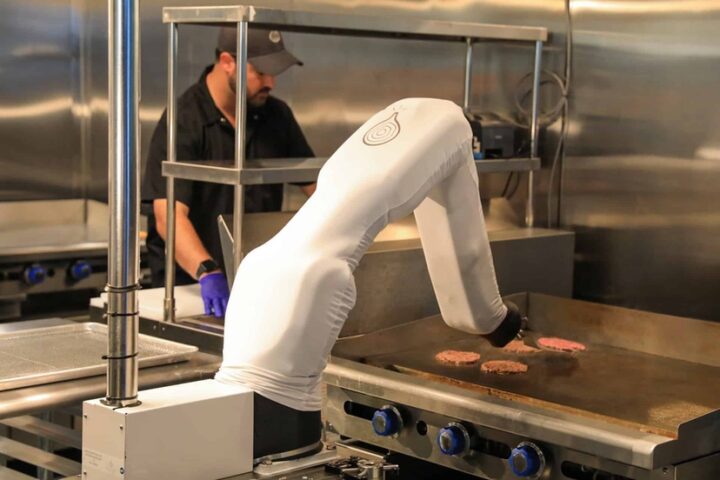
Looking into the future, maybe in a weird way, robots and AI can make up for the shortage of cows.
But we still have to figure out what to do with the guy who was flipping the burgers…
Underrated writer Louis Cannon grew up in the vast American West, although his ex-wife, given the slightest opportunity, will deny that he ever grew up at all. You can read more stories on his Substack account.