
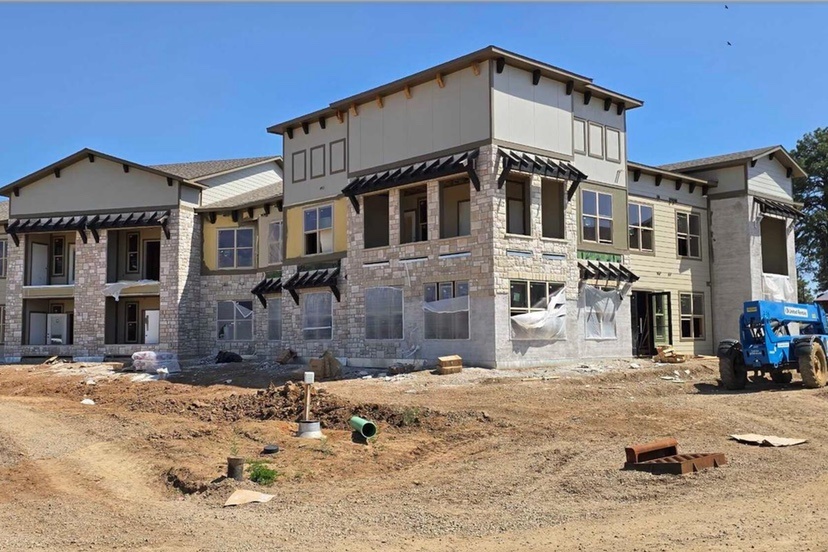

The consultants from Western Spaces LLC and ECOnorthwest — who are in the process of writing a “Housing Action Plan” for Archuleta County and the Town of Pagosa Springs — recently posted a 43-page ‘Draft’ version of the plan, which you can download here.
It’s more affectionately known as the “HAP”.
The consultants expect to have the plan discussed by the Town Council and Board of County Commissioners tonight, Monday August 24, at a joint meeting at the County Commissioners’ offices on Lewis Street. At 5pm.
From the Western Spaces LLC website:
Analyze the Past — Understand Today — Plan for Tomorrow
Sarah Brown McClain, MURP, AICP, brings more than 20 years of housing policy and community planning experience to every project. She founded Western Spaces to provide rigorous, data-driven research for the rural and resort communities that are often hardest hit by housing shortages — and least likely to have in-house analytical capacity.
Pagosa Springs and Archuleta County are apparently one of those communities least likely to have in-house analytical capacity. This may come as a surprise to the professional staff at our local Planning Departments.
That being said, we are definitely one of the Colorado communities hardest hit by housing shortages, and we might be inclined to assign blame for that situation to the professional staff at our local Planning Departments. Part of their job, after all, is to plan for a functional community, which as apparently not happened as planned.
But maybe we need to assign some blame to our local media outlets, as well… for failing to effectively educate the community about the problem?
From the ECOnorthwest website:
Mary Chase specializes in urban planning and resilience.

Mary Chase, Project Manager. Photo courtesy ECOnorthwest.
Mary is a Senior Project Manager at ECOnorthwest who specializes in urban and regional planning. Mary joined ECOnorthwest in 2021 and supports a variety of projects related to housing, economic development, growth management, and land use.
I downloaded a copy of the draft HAP over the weekend, and spent a bit of time reviewing it. I was a member of the advisory group that provided a local focus and ‘boots on the ground’ information for Ms. McClain and Ms. Chase, who live in distant communities that may have their own housing shortages.
The first 21 pages of the 43-page Action Plan basically summarizes data found in earlier “studies” and “plans”, plus the ‘boots on the ground’ advice coming from the local advisors.
Then we get into the Plan. Here’s a very simplistic summary of recommended steps for addressing our housing shortage.
1. Raise taxes.
2. Revise existing local government policies and regulations to legally allow the construction of innovative, affordable housing. Particularly, apartments.
3. Develop programs aimed at preserving what little affordable housing we have.
4. Encourage partnerships between governments, non-profits and developers.
5. Create centralized information hub(s) that can help potential homeowners/renters.
6. “BUILD COMMUNITY EDUCATION AROUND UNDERSTANDING HOUSING ISSUES AND MOMENTUM FOR HOUSING ACTION.”
Number 6 is naturally of interest to a journalist like myself, considering my obsession with writing editorials about the housing crisis in Archuleta County… dating back to 2004, when the Daily Post first began publishing online news and opinions.
Our local elected leaders and their employees have spent the past 22 years — and more — talking about the problem amongst themselves, and certain steps have been taken. Some of the steps have been more effective than others.
Among the effective steps:
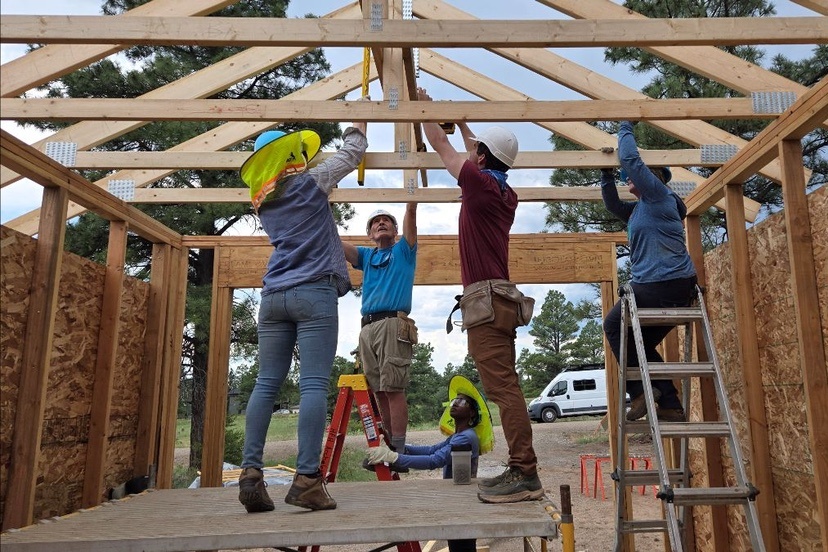
1. Habitat for Humanity of Archuleta County expanded their efforts, from building one affordable home per year, to this year building fifteen affordable homes in five years. Vacant parcels were donated by Archuleta County.
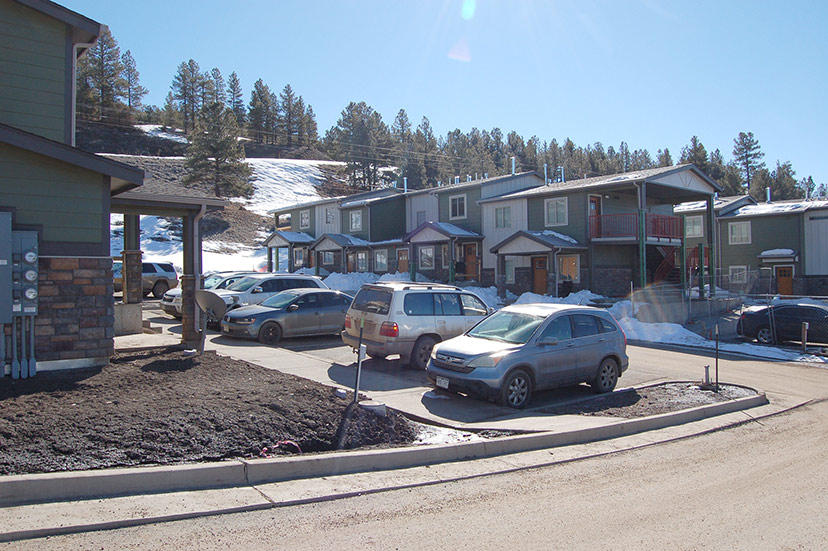
2. Archuleta County Housing Authority built Rose Mountain — 34 LIHTC (Low Income Housing Tax Credit) townhome units on Hot Springs Boulevard. The vacant property was donated by Archuleta County. The Town of Pagosa Springs also assisted through fee waivers.
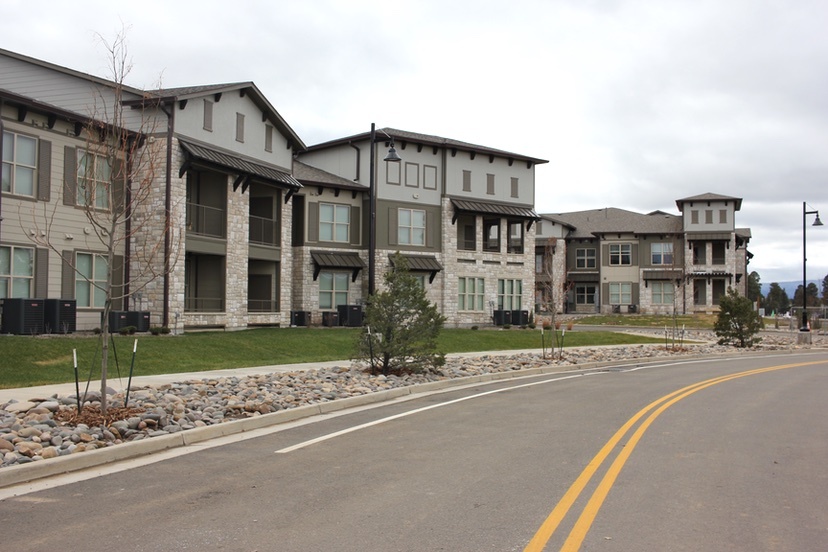
3. Generation Housing Partners constructed a 50-unit LIHTC project near Walmart. They received significant fee waivers from Pagosa Area Water and Sanitation District.
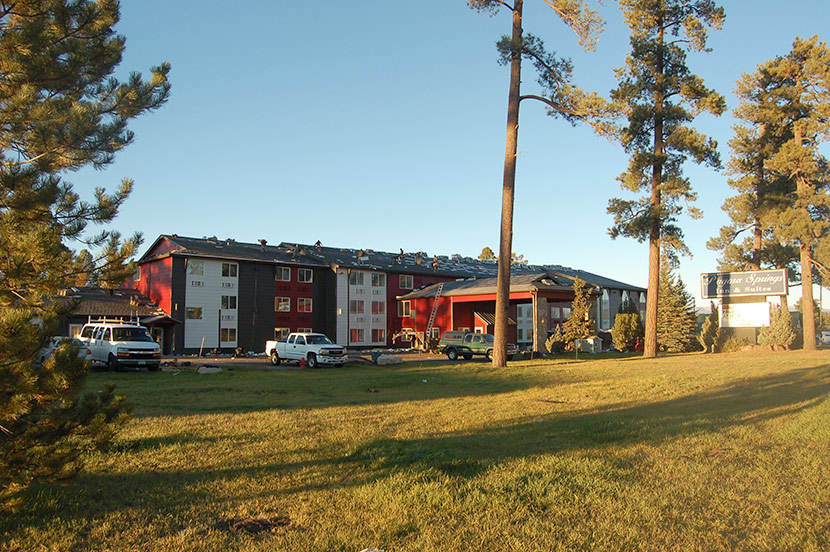
4. Pagosa Springs Apartments LLC converted a struggling uptown motel — Pagosa Inn & Suites — into 98 tiny apartment units, with 493-square-foot units renting for $1,400 a month.
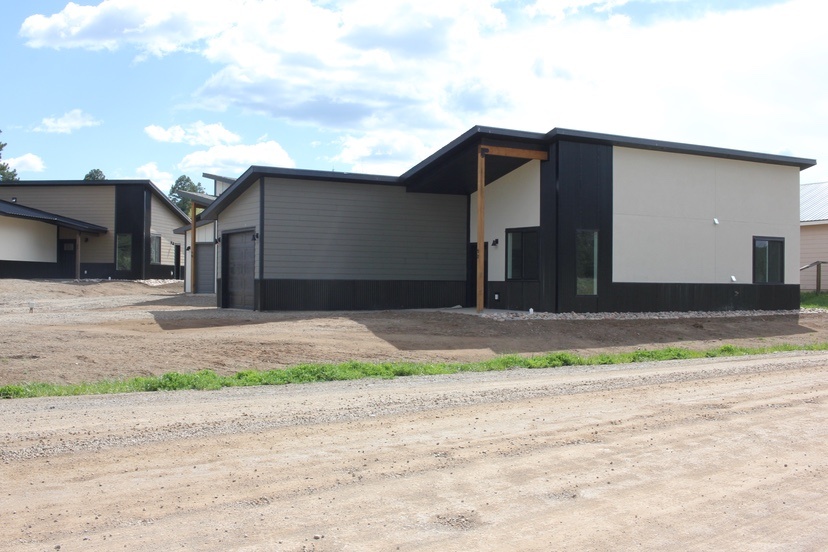
5. In 2024, Pagosa Springs Community Development Corporation commissioned 10 homes on land donated by Archuleta County, to be built by BWD Construction. The homes have been sold for prices ranging from $330,000 to $385,000. Typically, homes in this price range are unaffordable for employees working in retail or low-wage tourism jobs.
But in general, the community has taken two steps back, for every one step forward. The ‘housing problem’ is, in my humble opinion, much more serious now than it was 22 years ago.
The ‘government problem’, meanwhile, is basically unchanged.
In 2008, the Town and County hired some out-of-town consultants to write a ‘Housing Needs Assessment’ which was, in many ways, surprisingly similar to the draft HAP now under review.
That Housing Needs Assessment was 17ArchCoHousingNeedsStudyDec4updated in 2017. Again, similar conclusions were reached.
In 2019, the Town adopted a ‘Roadmap to Affordable Housing’, written by local non-profit Pagosa Housing Partners. Again… similar conclusions.
Tonight, Monday August 24, at 5pm, yet another ‘plan’ will be discussed, during a joint meeting at the County Commissioners’ offices on Lewis Street.
Totaling the ‘affordable’ housing projects listed above, our community may have added about 200 ‘affordable’ housing units since 2010. (I’m not including the ten $330,000 houses built by BWD, because I don’t consider them ‘affordable’.)
But the population has grown by 2,300 people since 2010.
What actions can our governments and businesses and non-profits take to turn the Titanic around? When I look at the direction the community’s housing supply has been heading, I wonder if there’s an iceberg waiting for us.
You can download the 43-page draft HAP here.
Bill Hudson began sharing his opinions in the Pagosa Daily Post in 2004 and can't seem to break the habit. He claims that, in Pagosa Springs, opinions are like pickup trucks: everybody has one.