
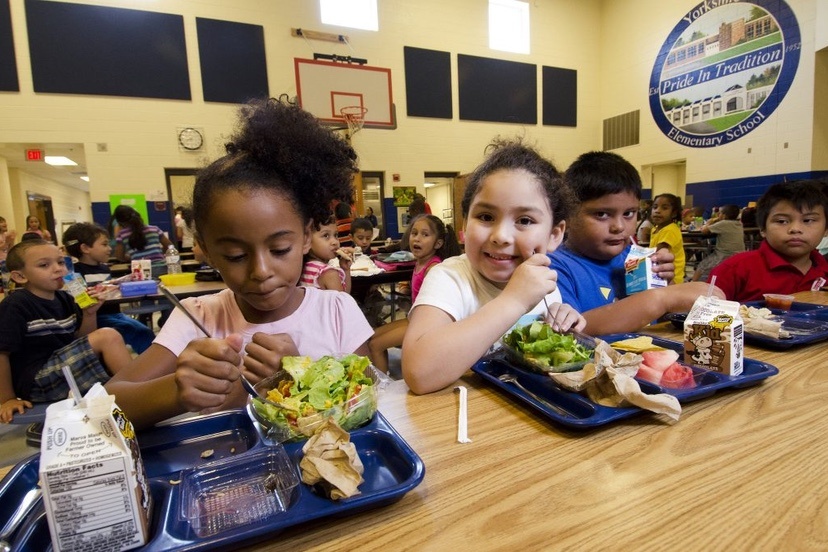
Colorado expands Healthy School Meals for All with grants for schools to purchase local food, expand scratch cooking, and boost nutrition staff wages
DENVER — The Colorado Department of Education (CDE) today announced $23.8 million in Healthy School Meals for All grants to help schools across Colorado purchase locally grown foods, expand scratch cooking and increase pay for frontline school nutrition staff.
These two non-competitive grants – the Local Food Program Grant and Wages and Stipends Grant – will support local food purchasing training, technical assistance for school districts and producers, and pay increases for school nutrition professionals. The grants also will encourage districts to create Student Parent Advisory Committees to ensure school meals are nutritious, culturally relevant and appealing.
Archuleta School District is among the district benefiting from these programs.
The funding marks a major milestone in the continued rollout of Healthy School Meals for All, the voter-approved program that ensures every Colorado student has access to free, nutritious school meals. Find more about the grants on CDE’s webpage.
“When students have access to nutritious meals, they are better prepared to engage in learning and succeed in the classroom,” said Colorado Commissioner of Education Dr. Susana Córdova. “This funding helps schools strengthen their nutrition programs, invest in the professionals who make them possible, and build stronger connections with local farmers and communities that benefit students across Colorado.”
“This is a major milestone for the parents, students and community leaders across Colorado who worked so hard to make Healthy School Meals for All a reality. They didn’t just ask for free meals—they called for a program that is comprehensive, equitable, and transformative,” said Marc Jacobson, CEO at Hunger Free Colorado. “These investments deliver on that promise by supporting workers, local food systems, and school kitchens that make healthy meals possible for every student.”
“As a parent in a rural community, I’ve seen firsthand how much school meals matter—my daughter once struggled to eat at school, and access to fresh, healthy food has made a real difference in her health and ability to learn. These investments mean kids are getting meals they actually want to eat, while also supporting local farms and the hardworking staff who prepare them. I’m proud of our community for speaking up, organizing, and making this program stronger for all of our children,” shared Adriana Miranda, program coordinator with Lamar Unidos.
Through these grants, all school districts and schools and institutions that opted into the Healthy School Meals for All program will receive support to strengthen their meal programs and better serve students.
Local Food Grant to help schools purchase Colorado-grown food
A total of 131 school districts and 14 charter school sites will receive more than $15.4 million in state funding for the 2026-27 school year from the Local Food Program Grant to purchase Colorado-grown, raised, and prepared foods, bringing fresh, local ingredients into school cafeterias while supporting local farmers, ranchers, and food businesses across the state. School districts are eligible to receive up to $0.25 per lunch served (based on school lunch participation two years prior), with a minimum award of $5,000.
A key component of the Local Food Program funding is establishing Student Parent Advisory Committees that elevate student and family voices in the creation of healthy and nutritious school meals. The committees can provide feedback on menus, meal quality and the dining experience, helping schools offer nutritious meals that are culturally relevant and responsive to their communities.
As part of the grant, nonprofits were able to apply for a technical assistance grant. Nourish Colorado will provide training and technical assistance to schools and producers. The support includes:
- Helping schools transition to scratch cooking with Colorado-grown ingredients
- Training staff in food preparation and culinary skills
- Supporting schools with equipment grants to purchase and use commercial kitchen equipment
- Strengthening menu planning and sourcing practices for Colorado products
- Connecting K12 schools with Colorado producers, food hubs, and distributors
- Building small and medium-sized farms’ capacity to sell into K12 markets
- Stipends for nutrition professionals available through Wages and Stipends Grant
For the first time, dedicated funding is available to support frontline school nutrition professionals through the Wages and Stipends Grant. A total of 151 school districts will receive more than $8.4 million in state funding—based on meals served—to provide pay increases or stipends to staff who prepare and serve school meals.
School districts are eligible to receive up to $0.12 per lunch served, with a minimum award of $3,000. These funds must be used to increase compensation for the school nutrition professionals who prepare or serve meals, helping schools recruit, support and retain staff.
Recognizing the Impact of School Meals
Since its launch, Healthy School Meals for All has increased student participation in school meals, reduced stigma, and improved student well-being, according to a study by the Colorado League of Charter Schools. Schools across Colorado report better attendance, fewer health complaints, and stronger engagement in the classroom, the report says.
Colorado public schools, charter schools, day treatment facilities, and residential child care institutions participating in the National School Lunch or School Breakfast Programs that opted into the Healthy School Meals for All program are eligible to apply for the Local Food Program and Wages and Stipends grants.
View the list of districts receiving grant awards.
The Pagosa Daily Post welcomes submissions, photos, letters and videos from people who love, and care about, Pagosa Springs, Colorado. More information available at 970-903-2673 or pagosadailypost@gmail.com