
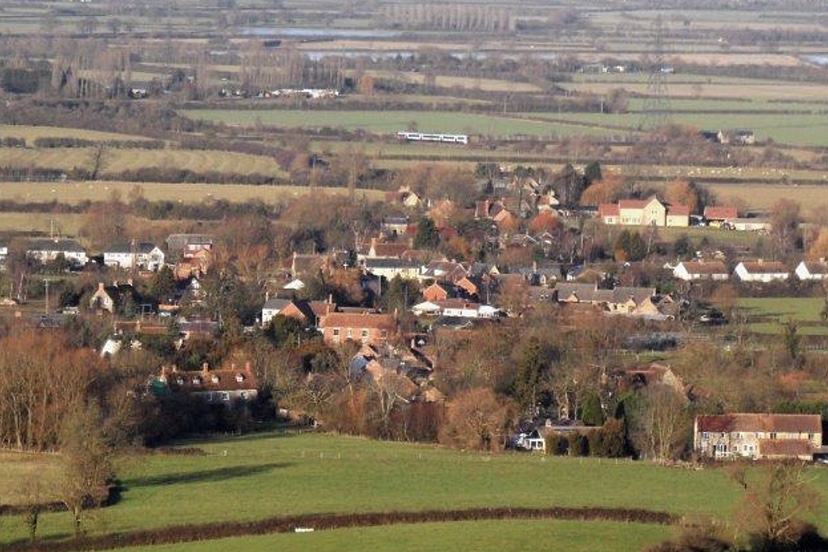
Photo: The newly-independent village of Piddington, formerly of Oxfordshire, England.
It’s complicated.
As are so many things these days.
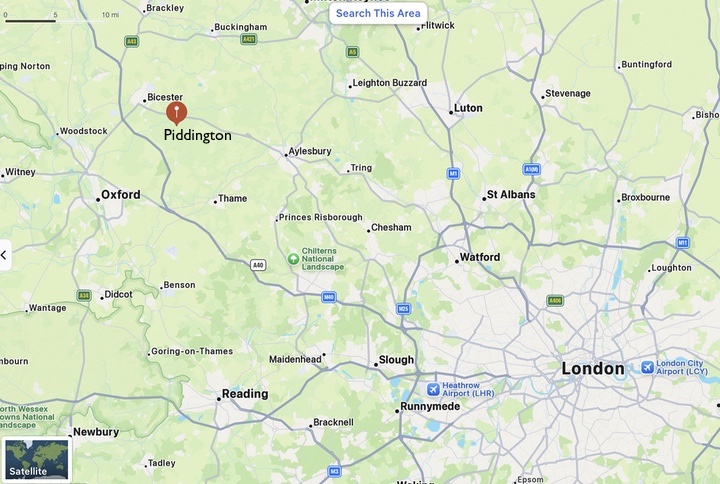
The village of Piddington, pop. 358, is located about 15 miles northeast of Oxford, England, and about 50 miles northwest of London. Notable people have lived there, including John Drinkwater, William Dumbleton, and Thomas Pitt Cholmondeley Tapper.
We have to wonder what those noted gentlemen would have thought of the Piddington voters overwhelmingly approving a referendum, declaring that the village is no longer a part of the United Kingdom but is now its own independent country: ‘The Principality of Piddington.’
Of course, such declarations of independence from Great Britain have been made in other places. The United States, for example. India. Kenya. Egypt. Palestine. Sudan. The Bahamas. And 54 other now-independent countries.
But none of those other countries were a tiny village located in the very heart of England. So we have to tip our hats to such an audacious move by these former British subjects.
The cause behind this impetuous move? A decision by Home Office, Great Britain’s interior department that oversees key areas of domestic policy in England and Wales, including policing, drugs policy, counterterrorism, border security, and immigration.
Notably, in this case, immigration. Home Office plans to house more than 1,200 asylum seekers on a military base, in the neighboring community of Bicester, about 5 miles away.
Residents of Piddington voted overwhelmingly for secession, citing fears about safety, crime and the effect on house prices in the affluent area. The results announced earlier this month showed 285 votes in favor of breaking away, with 26 villagers voting against.
“We have given an absolute message, not just to the region, not just to the country, but to the world,” said parish chairman Tim McNally.
The reaction from the British government?
“I understand the strength of feeling,” said Prime Minister Andy Burnham. “I will look at the issues being raised by the community and in the referendum, but we have to ensure that we have a fair plan…”
He means, a fair plan that spreads the burden of accommodating migrants. And that’s a sizable burden. More than 41,000 migrants made the hazardous journey, in 2025, crossing the English Channel in inflatable dinghies, obviously with little thought about the impact they might have on the residents of Piddington.
But the story gets even more complicated, due to the presence of Barbastelle bats.
Extremely rare Barbastelle bats.
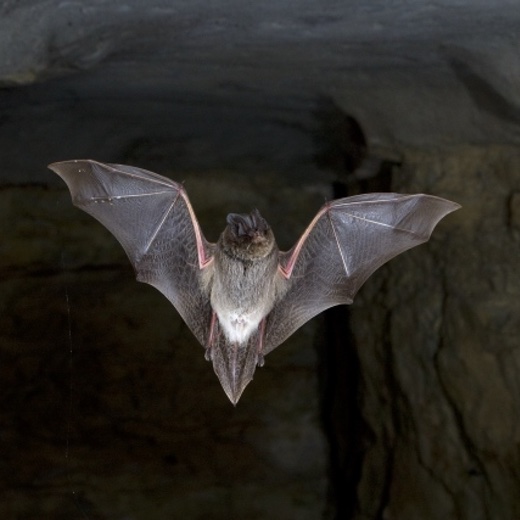
Home Office officials and contractors have been accused of committing a “wildlife crime” by switching on a powerful floodlight at a site inhabited by these rare bats.
The residents of Piddington are claiming that Home Office needs a license from ‘Natural England’ to do any work at the site that may disturb the the protected, endangered Barbastelle, one of the rarest mammals in the UK. Without a license, Home Office officials could be in breach of the 2007 habitat conservation regulations, which make it a crime to intentionally or recklessly disturb a bat.
Natural England is a non-departmental agency sponsored by the Department for Environment, Food, and Rural Affairs. It’s responsible for ensuring that England’s natural environment — land, flora and fauna, freshwater and marine environments, geology and soils — are protected and enhanced.
And especially, perhaps, bats.
Parish chairman McNally contacted police after visiting the site to investigate the floodlights. Reportedly, he was told by “ecologists” that light directed at or near roost entrances can cause bats to delay or refuse to emerge, disrupting feeding patterns and, in severe cases, leading to roost abandonment altogether.
And the bats aren’t the only problem. The proposed migrant facility might also be home to great crested newts, nightingales, badgers and an otter.
But the tricky part of all this, as I see it, is that Piddington is no longer part of the UK. They have become their own country.
So they are now essentially accusing the officials of a foreign country’s interior department of a crime.
In my experience, that kind of things typically doesn’t go well for the accusers. When foreign countries accuse the U.S. of committing crimes, we usually drop bombs on them.
Underrated writer Louis Cannon grew up in the vast American West, although his ex-wife, given the slightest opportunity, will deny that he ever grew up at all. You can read more stories on his Substack account.