
The federal shutdown and the loss of SNAP benefits are hitting rural families hard. But I’m not in alignment with the “we’re f—ed” mantra. Despair doesn’t feed people — community does.
After nearly twenty years in public health and food-systems work, I’ve learned that every crisis teaches us who we can depend on — and reminds us that we can depend on each other.
That’s the mantra now: we take care of each other.
This isn’t charity. It’s solidarity, survival, and love in motion. Each flood, fire, pandemic, or shutdown is a practice round for the next one — a chance to strengthen the web of relationships that keeps us standing.
When we say we take care of each other, we’re naming a public-health strategy. Because without proper care and support, normal life transitions — a job loss, divorce, or death — can spiral into crisis. If we build relationships before those transitions, we prevent emergencies.
We don’t want band-aids on a broken system.
We want a system that heals — one that values prevention, mental health, and community care as much as emergency rooms.
A system where affordable housing, nourishing food, and relationships are recognized as public-health infrastructure.

Right now, Pagosa and other rural communities are feeling the strain. Many families who relied on SNAP are now struggling to stretch every dollar. Others live one crisis away from hunger. And yet, every time a system fails us, we are reminded of the power we still have — the power to act with care, creativity, and courage.
Four ways to practice community care right now:
- Bring food, not judgment. Take a one-pan dish to a neighbor — whether they “need” it or not. Relationship comes first; once you know each other, you’ll learn who’s hungry.
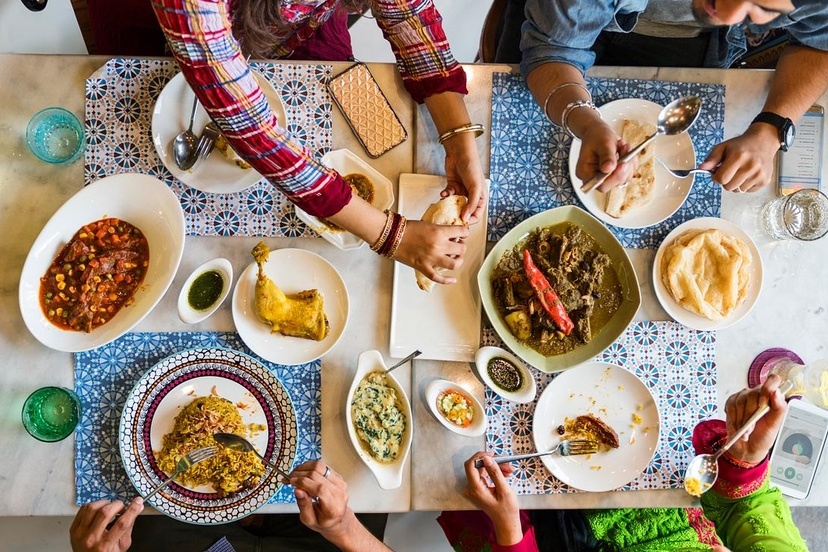
- Host a “Swap-luck.” Invite a few friends. Everyone brings one dish and makes enough for everyone to take home portions. It’s fun, efficient, and builds food security.
- Use digital tools for good. Apps like Lasagna Love or simple social-media posts can connect cooks and families. Try posting: “Food is expensive and I don’t believe in waste. I cook several meals a week and always have leftovers — DM me if you’d like one.” Connection beats isolation every time.
- Post a sign, start a potluck. In my own apartment complex, I tore a grocery bag in half and wrote “POTLUCK 7 PM TONIGHT.” By evening, seven people showed up. We met, we ate, and we learned who needed what. That’s what resilience looks like: neighbors feeding each other instead of waiting for permission.
These are not grand programs — they’re everyday acts of care. And right now, we need everyone to up their game so the weight doesn’t fall only on the same exhausted caregivers and organizers.
I have skin in the game. For five years it’s been nonstop: fires, floods, COVID, housing crises, and now this. Many of us are tired, but we know that resilience is a shared muscle — it strengthens when more people use it.
Public health at its core is about relationships — how we feed one another, share power, and build systems of care instead of control. We take care of each other because that’s what keeps us alive.
Start small. Knock on a door. Share a meal. Ask, How are you holding up?
That’s how we build a safety net stronger than any policy — one dish, one conversation, one act of courage at a time. Because none of us are self-made — we are community-made. And it is through love — steady, brave, and reciprocal — that we will find our way forward together.
Rose D. Chavez, MPH
Pagosa Springs, CO/Albuquerque, NM