
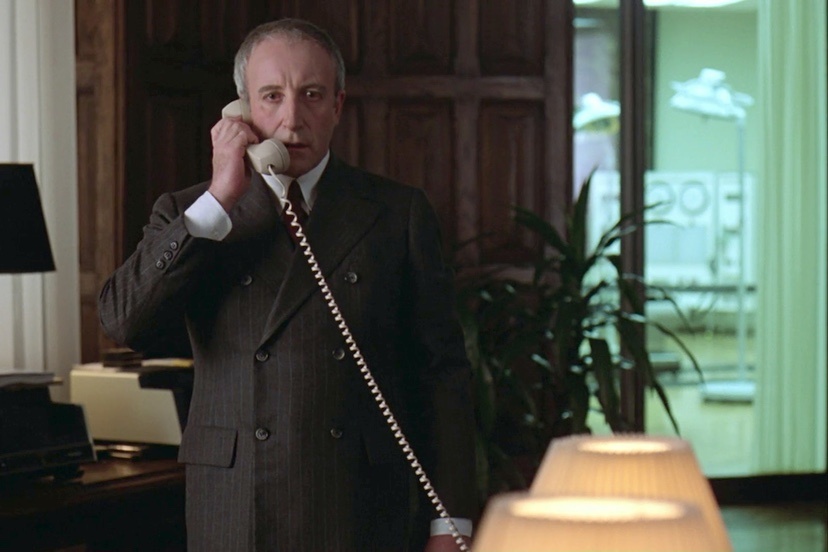
One of my all-time favorite movies is Being There. An absolute gem.
In 1979, Peter Sellers starred in this satirical comedy-drama written by novelist Jerzey Kozinski. And now the movie is on my mind once more – big time. It’s amazing how this 46-year-old classic is so relevant to certain aspects of the present Trump phenomenon.
The star-studded cast takes the viewer on a magical journey that is both funny and surprisingly poignant. In the end, it is thought provoking, so much that, after viewing it again, I find myself discovering even more valuable nuances.
Like the movie, the Trump regime is a satirical comedy-drama with a star-studded cast of dangerous nimrods. (Actually, more like a Shakespearian tragedy.)
Let’s take a look at the here-and-now of Being There.
The movie starts at a wealthy old man’s home in Washington, DC. Chance, a simple-minded gardener, has been living at the townhouse since he was a young lad. Unbelievable as it may seem, Chance has never stepped foot off of the property. Everything he has learned, except for gardening, was picked up watching television. (I’m sure Trump as a child was fascinated by TV. And later in life, it became his saving grace, garnering a huge fan base that eventually put him in the White House.)
Louise, the black maid, has been taking care of the ailing old man for decades, and basically feeds and supervises Chance. When the old man dies, the estate lawyers order both Louise and Chance out. Now, for the first time in his life, the unassuming, gentle soul is alone and penniless.
Chance is cast out into a strange world that is both perplexing and terrifying, to say the least. Especially for a man who cannot even read! His fine, 1930s style clothes were given to him by the old man. Chance looks quite stylish, with top coat, bowler hat and umbrella, which gives him an air of quiet authority. But in reality, the mild-mannered gentleman is completely out of his element; hasn’t a clue.
Chance carelessly backs into the street and is struck by a limo chauffeuring Eve Rand, the gorgeous (sexy as all get-out) and much younger wife of elderly industrialist Ben Rand. She asks him his name. He replies, “Chance, the gardener.” She misunderstands what he said as “Chauncey Gardiner.”
And now we’re off to the races.
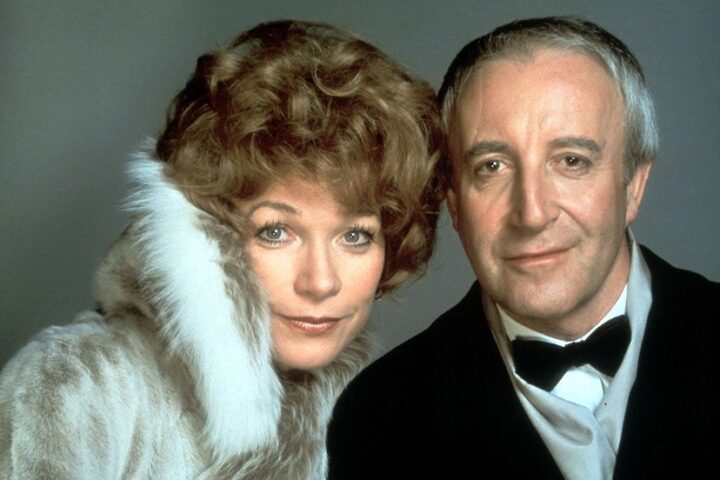
Eve takes Chance to their grand estate to be examined by Dr. Allenby who resides there caring for Ben, who is dying of a rare blood disease. After treating Chauncey, the good doctor, who finds Chance unusual but affable, invites him to stay on to keep Ben company.
At this point, Chance, who is naturally good-natured and well-mannered somehow convinces people that he’s also intelligent and accomplished without even trying. He is only trying to understand what the hell is happening to him. He never gets flustered and always maintains an aura of confidence – but that’s his nature; thus reminding us that people can formulate conclusions about a man’s character and intelligence without seeking evidence to the contrary.
Faith vs. fact: One might have faith that Trump is the Messiah, but the facts tell a different story.
When Ben meets him, he takes “Chauncey” for an upper-class, highly educated businessman fallen on hard times. Ben admires him, finding him direct, wise and insightful. (He likes him, but liking someone doesn’t make that person a saint.) He is not wise and he is not insightful… he’s a dim-witted, uneducated, though very lovable, gardener!
It turns out that Ben is a close friend and advisor to the President of the United States, who is introduced to Chauncey Gardiner. The President is having a discussion on the economy (tariffs?) and uses the phrase “stimulate growth.” That triggers Chance, and he joins the conversation and talks about the changing seasons of the garden. The President thinks it’s sound advice and actually quotes Chauncey Gardiner in a televised speech.
Believe me when I say that “Chauncey Gardiner” is not playing 4D chess! They believe otherwise.
The gullible President elevates Chance to national celebrity. Chance meets the Soviet Ambassador who is convinced the new “distinguished” dignitary is using subtle sarcasm against the President, and is delighted. Chance appears on a national talk show and is asked, “What do you read?” Chance replies: “I don’t read, I like to watch.” The host thinks out loud that Chauncey doesn’t read newspapers but watches TV for all his news. Of course, Chance can’t read, and TV has always been his favorite pastime, and was his only window to the world at large.
Meanwhile, Louise the maid and her friends at the retirement facility are watching the broadcast. She comments after Chance slowly states an everyday gardening fact and gets a round of applause: “That boy has rice pudding between the ears! Whiteness is all that’s needed to succeed in America!”
Chance is now the toast of the country, but the Secret Service and 16 foreign agencies cannot find a shred of information on him. Through no fault of his own, Chance the gardener has pulled the wool over a nation’s eyes.
In reality, Donald Trump, a simple-minded man-child, has hoodwinked enough people to become president… twice!
But Donald Trump is no Chauncey Gardiner. Chance, the gardener was a gentle spirit, incapable of lying, whereas Trump has elevated lying to an art form. Both characters have a hard time coping with the real world and have created their own realities. One is a benevolent gardener who educated himself solely watching TV, while the other is an unscrupulous reality TV star now starring as President. (The only thing missing is a laugh track.)
Chauncey never set out to hoodwink anyone. People simply misunderstood him and developed a fantastical perception of the man. His simple words were turned into wise adages, and his soft spoken, pleasant demeanor was charming, even reassuring. Sure, Chauncey was a simpleton, but America would most likely be better off if Trump’s only affliction was “rice pudding between the ears.” (Is that a neuro-psychiatric term?)
In short: it’s not the man; it’s the perception of the man.

77 million Americans perceived Donald Trump to be their savior. They had faith in him, but faith has nothing to do with facts. And the fact is that, here-and-now, we’re in big trouble… he just bombed Iran!
“Life is a state of mind,” but the state of the union is not!
DC has been a frustrated musician for over fifty years, and now has decided to become a frustrated writer. Learn more at DCDuncan.com. He’ll keep you posted.