
Minneapolis residents Renée Good and Alex Pretti were fatally shot by ICE and U.S. Border Patrol agents.
President Donald Trump called Pretti an “agitator and, perhaps, insurrectionist.” Without evidence, White House deputy chief of staff Stephen Miller labeled him a “domestic terrorist” and a “would-be assassin.”
Notably, a frame-by-frame analysis by CNN shows that shots 6, 7, 8, 9 and 10 were all fired while Pretti lay incapacitated on his back.
George Orwell, author of the dystopian novel 1984, observed that “atrocities are believed in or disbelieved in solely on grounds of political predilection. Everyone believes in the atrocities of the enemy and disbelieves in those of his own side, without ever bothering to examine the evidence.”
In fact, Trump’s Department of Justice filed a motion challenging a judge’s order that barred the destruction of evidence in the Pretti case.
I strongly encourage watching the 2025 documentary 2+2=5.
The film explores Orwell’s life and applies his ideas to recent events like actions by the Trump administration, Gaza, immigration, and the treatment of the Rohingya in Myanmar. His insights are timeless.
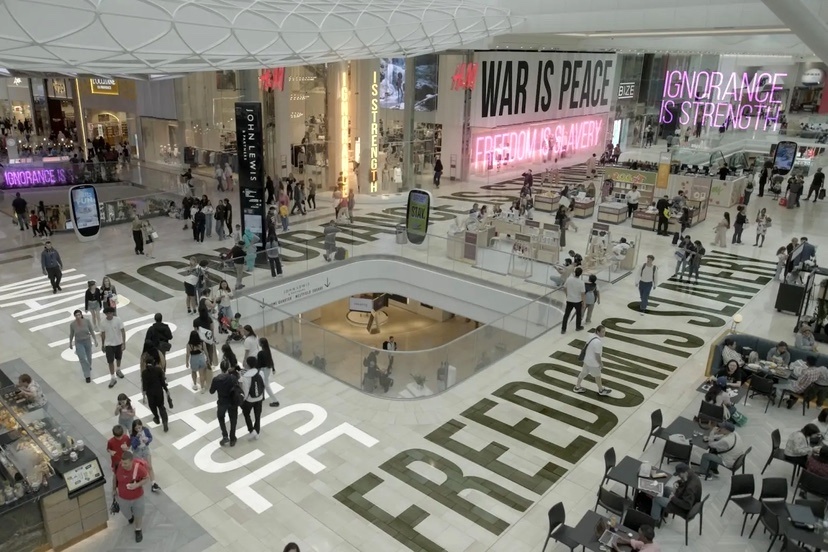
It’s essential to recognize that selective memories of aggression have long been used to justify state violence.
We owe a debt of thanks to those who document, protest, and refuse to look away.
Without them, the truth of what happened to Alex Pretti and Renée Good might never have come to light.