
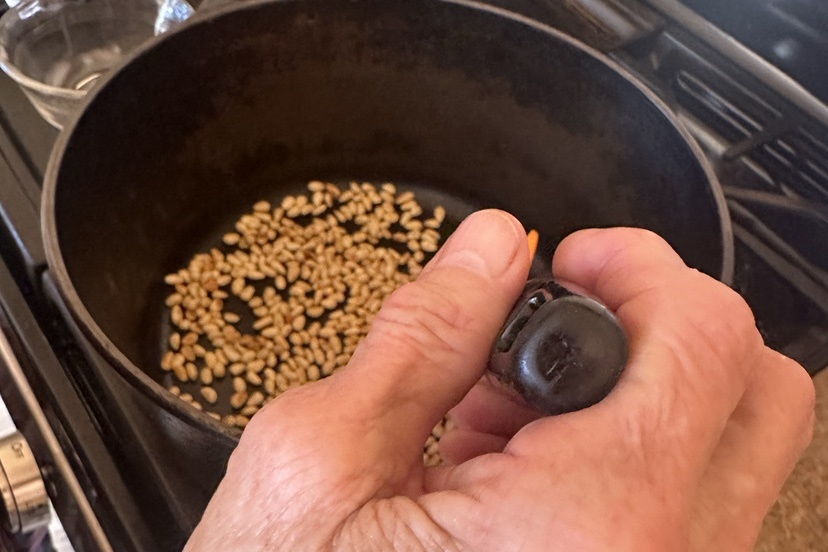
Photo: Roasting piñon
In small, rural communities like ours, nonprofit work is how we make sure people are fed, seen, and connected. It’s how we take care of one another.
That’s a beautiful thing — and it’s also why we must keep asking hard questions about who gets to belong, and who still gets left out.
These reflections come from more than a decade of work across rural nonprofit and public-health organizations in the Four Corners region — not from any single agency or employer.
During the holidays, generosity fills the headlines. But care is not seasonal; it’s structural. True care shows up in how we design our organizations, pay our people, and share power with the communities we claim to serve.
Many local nonprofits are led by kind, well-intentioned people — often white, middle-class women — who genuinely want to help. Yet the culture of ‘niceness’ that has long defined our sector can become a shield, protecting comfort instead of equity. It’s a “Pollyanna” pattern we know well in small towns — a preference for pleasantries over honesty, calm over courage.
Niceness can include without belonging; it can soothe without shifting. But care that only comforts those already comfortable isn’t care — it’s maintenance of the status quo.
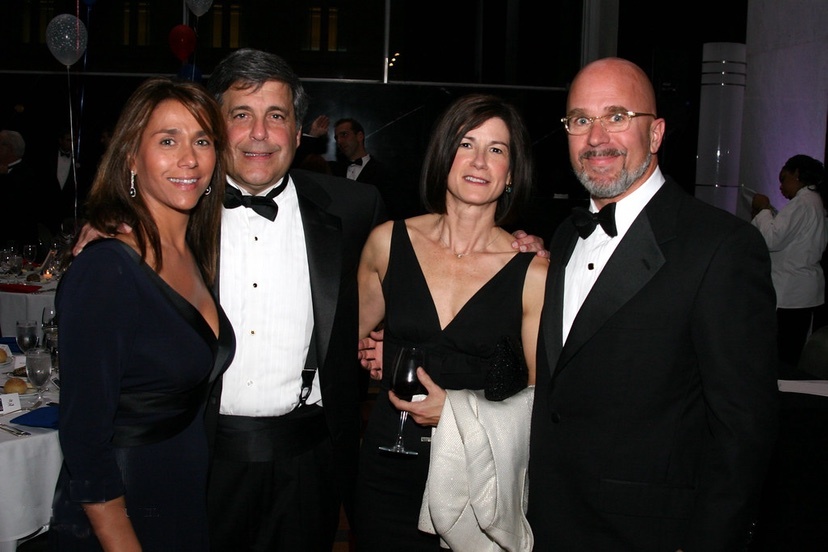
And then come the galas, the “Dancing with the Stars” fundraisers, the fashion shows, the soirees — events meant to raise money but that often reinforce distance. A hundred-dollar plate may look glamorous, but for working families it represents a week of groceries.
When those celebrated for generosity already hold social capital — and the people struggling to stay housed or fed are nowhere near the table — that isn’t charity, it’s class theater. It tells the rest of us: watch, but don’t enter.
Too often, board power follows wealth instead of wisdom. A single large donor can shape an entire organization’s direction — not through malice, but through imbalance. When one person’s financial influence carries more weight than the lived experience of staff or the voices of those served, we lose the democracy nonprofits are meant to model.
Another form of imbalance hides behind the language of “equity.” Across rural nonprofits, BIPOC, low-income, and otherwise marginalized community members are often invited to participate through one-time stipends, small vouchers, or short 1099 contracts without benefits or stability. These roles are celebrated as “representation,” yet they rarely include real decision-making power. Calling this ‘equity’ confuses presence with power. True inclusion means shared authority, not tokenism — and that requires changing who holds the purse strings, not just who appears in the photo.
In many rural nonprofits, a familiar pattern emerges: a well-off, middle-class board member — often not yet retired but seeking meaning through “giving back” — begins to blur the line between stewardship and control. The energy that might have built collaboration instead becomes micromanagement. When an executive director challenges that imbalance or insists on staff dignity, the pushback can be swift and personal. What begins as helping turns into gatekeeping, and the mission suffers.
This isn’t about villainizing generosity. It’s about ensuring that giving doesn’t become governing — that philanthropy doesn’t replace participation. Healthy governance requires humility, listening, and a willingness to share authority; otherwise even the best intentions turn harmful.
This kind of exclusivity quietly divides our small town. It mirrors what happens in our schools, where certain last names still carry weight, and where recognition too often follows wealth instead of effort. For people who grew up here, left to build a life, and returned home decades later, that hierarchy can be heartbreaking.
Community shouldn’t require pedigree.
As we approach the season of giving, nonprofits across the region will soon begin their end-of-year donation drives. But beyond the services they provide, we should be asking: What are we actually building? Are we strengthening a shared safety net, or simply keeping separate silos afloat? Why are so many organizations competing for the same small pot of goodwill instead of collaborating to lift the same families? True equity work means partnership, not duplication. It means shared outcomes, not parallel efforts.
If we truly believe equity is the goal, our practices must match our values. That means:
Representation matters. Boards should reflect the full diversity of Archuleta County — rural, working-class, Native, Latinx, Black, queer, disabled, veteran, and elder voices all belong at the table.
Pay equity matters. Stop calling short-term contracts “equity hires.” Stability and benefits are part of dignity.
Accountability matters. Measure success not by ticket sales but by who feels seen and supported afterward.
Collaboration matters. Build systems of care that connect food, housing, health, and belonging — not just programs that run beside each other.
Education and empowerment matter. Invest in leadership pipelines, community learning, and civic engagement so local people can lead the change that affects them.
Mutual aid and harm reduction matter. Support upstream prevention, peer networks, and care models that meet people where they are instead of punishing struggle.
Conflict resolution and reconciliation matter. Train staff and board members in mediation and dialogue — especially around race, class, and burnout — so we can find middle ground instead of silencing discomfort.
And underneath all of these practices lie the values that can anchor our rural future:
- Care as Culture. Care is not charity — it is how we remember who we are and who we belong to.
- Belonging as Infrastructure. People deserve to stay rooted. Place is a relationship, not a commodity.
- Food is Memory. Our foodways are ancestral knowledge, medicine, and identity.
- Mutual Aid is How We Survive. We take care of each other quietly, consistently, and without performance.
- Harm Reduction is Love. Meeting people where they are is how we keep each other alive.
- Upstream Prevention is Dignity. Well-being begins far before the clinic — in kitchens, gardens, and relationships.
- Community-Led Planning. Decision-making belongs with the people most impacted.
- Interdependence, Not Independence. Strength comes from relationships, not isolation.
This holiday season, I’m not asking people to give more — I’m asking us all to care better. Because the real gift is accountability, and the real abundance is belonging.
We don’t need to replace generosity with guilt; we need to root it in justice. That’s how rural communities like ours stay whole — not through charity, but through covenant.