
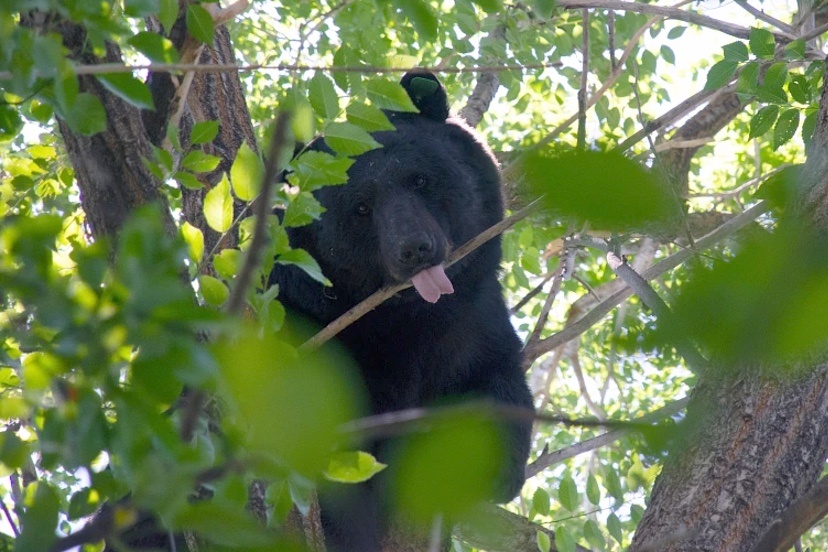
Colorado Parks and Wildlife (CPW) received 5,259 bear reports between January 1 and December 1, marking a slight increase from the 4,996 reports during the same period in 2024.
This year’s total ranks as the highest since 5,392 in 2019, the year CPW launched a digital report tracking system, and exceeds the seven-year average of 4,583 bear-related conflicts and sightings reported to CPW.
There are an estimated 17,000 to 20,000 bears in Colorado, and every year the majority of incident reports involve bears trying to access human food sources. While the last two months of the year see relatively few reports, CPW continues to call on residents to remove attractants to reduce conflicts, keeping you and the bears safe.
Food availability is a major driver of bears slowing their activity during the winter months. If food remains available due to people not securing their trash, bird seed, pet food, etc., bears will remain active year-round.
Reports of bear sightings and conflicts in Colorado have been increasing steadily the past three years.
Bear reports received, January 1-December 1:
- 2022: 4,271 statewide.
- 2023: 3,488 statewide.
- 2024: 4,996 statewide.
- 2025: 5,259 statewide.
Area 15, consisting of Archuleta, Dolores, La Plata and Montezuma counties, saw another year of high levels of human-bear conflict.
“We saw a second consecutive year of high levels of human-bear conflict with officers working around the clock much of the summer, and we continue to manage human-bear conflicts still in November,” said Southwest Region Public Information Officer John Livingston. “This has come in the face of two winters in a row with almost no low-elevation snowpack and well below average snow in the high country paired with a hot, dry summer with little to no moisture until heavy rains came in September and October. Natural food availability was spotty in most areas, at best.
“We had a lot of younger bears involved in conflict early in the summer, and female bears with cubs that struggled to find natural food were also prevalent in residential areas. The increase of hobby chicken farming also led to more livestock conflicts this year. We continued to see higher rates of roadkill incidents with bears on the move looking for food sources. We took more than a dozen orphaned cubs to our Frisco Creek Wildlife Rehabilitation Center with severely underweight cubs turning up in town. However, we saw fewer incidents of conflicts at campgrounds this year, which was one positive in an otherwise difficult year of managing human-bear conflict.”
Wildlife managers continue to encourage folks to report bears seen in urban areas to their local wildlife office. Locations and contact information can be found at cpw.state. co.us/contact-us.
CPW can provide people with additional tips and advice for how to make their homes less attractive to bears.
As a member of BearWise, CPW encourages everyone to share BearWise information with their neighbors and communities to help prevent conflicts with bears.
CPW asks all residents and visitors to help save Colorado’s bears by being actively bear prepared throughout the year. Human-bear conflicts are most often traced back to human behavior. Living BearWise is the most effective way to prevent human-caused conflicts with bears.
The Pagosa Daily Post welcomes submissions, photos, letters and videos from people who love, and care about, Pagosa Springs, Colorado. More information available at 970-903-2673 or pagosadailypost@gmail.com