
By Herb Grover
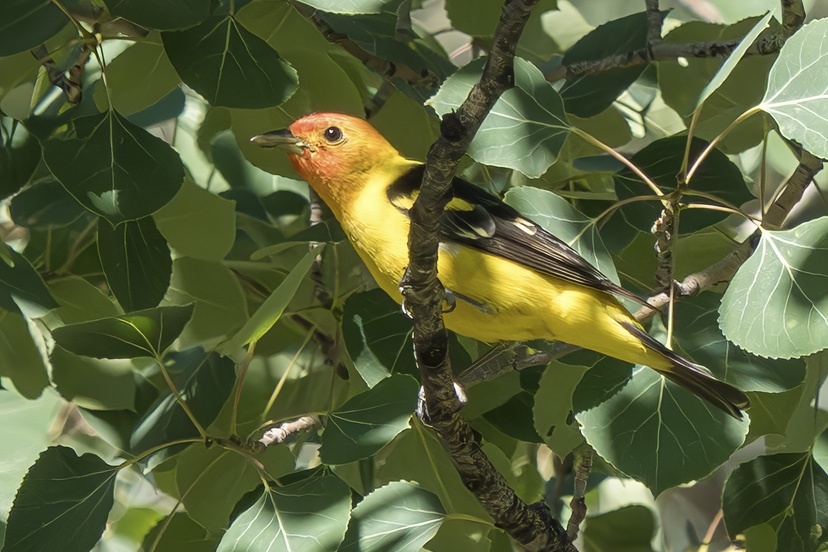
For the past seven years volunteers from the Weminuche Audubon Society in Pagosa Springs, CO, in collaboration with Audubon Rockies and the San Juan Headwaters Forest Health Partnership, have conducted a bird monitoring project (BMP) in the dry-mixed conifer forests in the southern San Juan mountains of Colorado. In addition to examining the potential impact of wildland fuel reduction treatments (i.e., prescribed fire, shrub-layer thinning, and/or selective logging) on bird community composition and structure, this study has revealed the notable diversity of the bird communities in these forests, and sheds light on the importance of these forests to the survival of many resident and migratory bird species.
Detailed reports of our methodology and findings can be downloaded from the Weminuche Audubon website at
https://www.weminucheaudubon.org/bird-community-monitoring/.
Following field sampling protocols consistent with similar studies reported in the scientific literature, our teams have observed more than 16,000 birds representing 98 different bird species across the seven years of the BMP. Nine bird species, constituting about 45% of all birds counted, were observed at all three sites sampled in each year of the study.
An additional 25 bird species were observed across all years of the study, representing another 41% of all birds counted. Patterns in commonness vs. rarity among species like these are often reported in the ecological literature.
We have documented at least 29 bird species nesting in our study sites, with 17 of those building nests on the ground (e.g., Common Nighthawks), in shrubs (e.g., Plumbeous Vireos), or in trees (e.g., Western Wood Pewee). Twelve cavity nesting species were also observed over the course of the BMP, including House Wrens; Northern Flickers; White-breasted, Pygmy, and Red-breasted Nuthatches; and Violet-green Swallows. As reported in various literature sources, nine of the 17 ground/shrub/tree nesting bird species and five of the 12 cavity nesting species have exhibited substantial population declines over the past several decades. These findings draw special attention to the role dry-mixed conifer forests play in providing breeding habitat for many bird species.
Indeed, almost half of the bird species (43 of 98) observed in our study have exhibited declines in population numbers. Among bird species on the ) continental watch list that we observed in the BMP are the Band-tailed Pigeon, Cassin’s Finch, Evening Grosbeak, Grace’s Warbler, Lewis Woodpecker, Olive-sided Flycatcher, and Virginia’s Warbler.
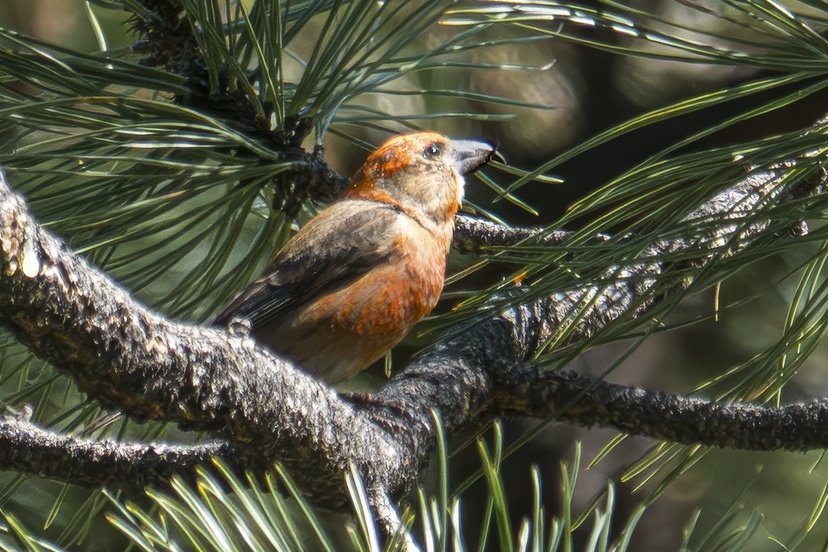
A similar proportion of the bird species we observed (42 of 98) are non-resident (i.e., migratory), with more than half of those species (23) reportedly exhibiting population declines. Fifty-six bird species in our dataset are resident to the southern San Juans, with a much smaller proportion of those species reportedly in decline (19) compared to non-resident species. This pattern in our findings points to the increased threats to survival migratory birds face, and also underscores the importance of dry-mixed conifer forests for providing nesting habitat critical to the survival of both resident and non-resident bird species.
These findings, coupled with the personal experiences gained from the BMP, lead us to the following conclusions:
- Short-term changes (i.e., across one-to-two years) occur in bird communities in response to wildland fuel reduction treatments;
- Dry-mixed conifer forests provide important nesting habitat for a wide range of resident and migratory bird species, many of which are in population decline;
- The moderate to small-scale heterogeneity in forest composition and structure resulting from wildland fuel reduction treatments may enhance bird diversity at the regional scale; and
- Engaging volunteers from the local community in the conduct of field research provides important opportunities for them to improve their birding skills, and gain a better understanding of forest and bird ecology.
Backyard Biodiversity, a series of educational articles brought to you in partnership with local conservationists, scientists, and biologists and Chama Peak Land Alliance. The series highlights the unique and special nature of our area, in the hope that each of us can and will improve our backyards and communities by ensuring biodiversity.
Herb Grover is vice president of the Weminuche Audubon Society in Pagosa Springs, CO, ands is a retired university
professor of biology and environmental science. Co-coordinators on this project include Jean Zirnhelt, president of the Weminuche Audubon Society, Bob Endres, fellow board member, and Keith Bruno, Southwest Colorado Community Naturalist with Audubon Rockies.
Submitted by Sage Faulkner, Chama Peak Land Alliance.